The Elemis guide to moisturisers: everything you need to know
2023-07-04
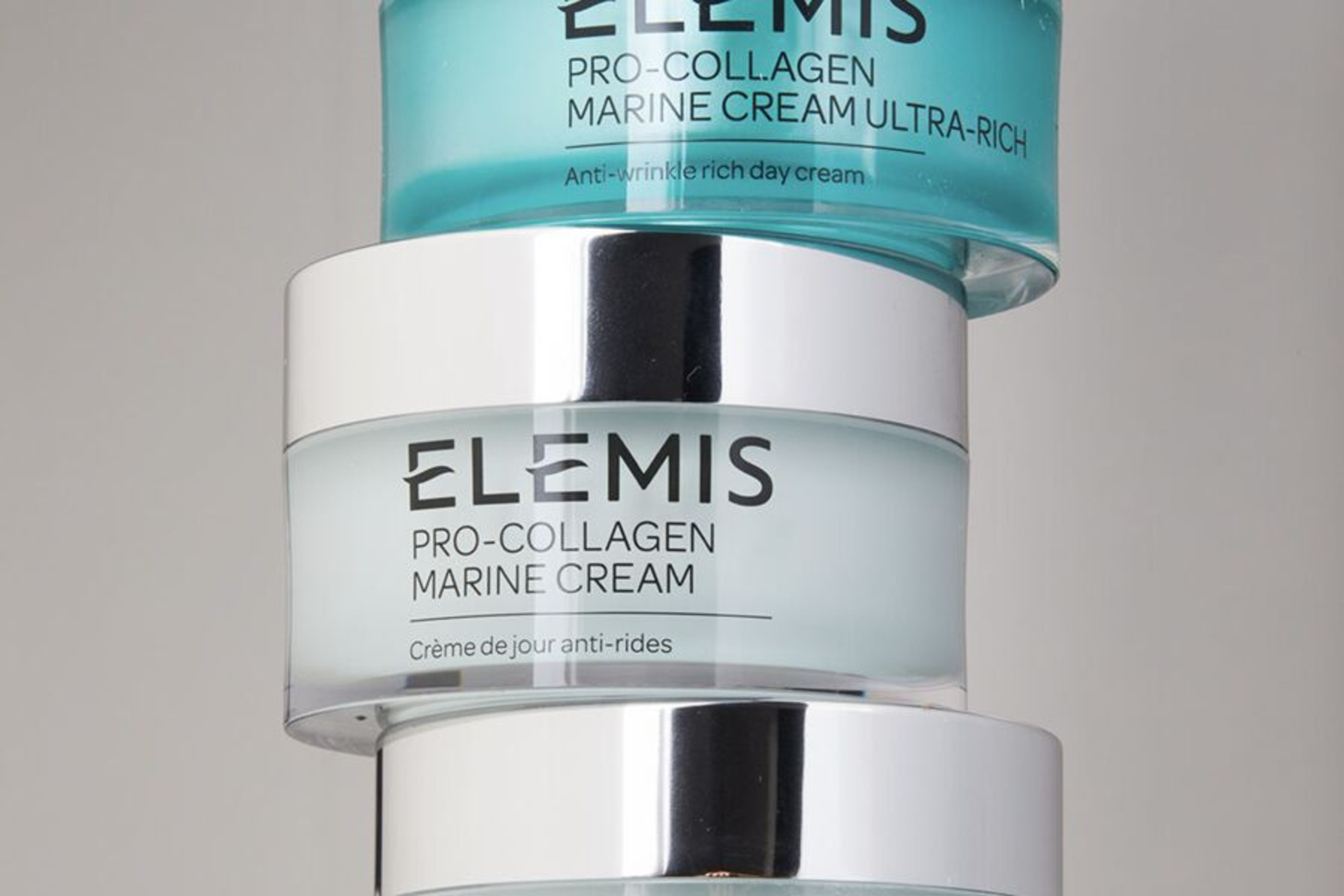
To pick the “right” moisturiser for you, you need to know your skin. The best formula should match your skin type (oily skin = lightweight, dry and ageing skin = richer creams, acne-prone skin = non-comedogenic) and strike the right balance of hydration and barrier support. The power of the right blend of actives, formulation and texture should never be underestimated. Adapting to the seasons is also important, with thicker formulations often prevailing in the colder months. However, with so many different moisturisers on the market, how do you know which will give you the best results? Every skincare obsessive knows that finding the perfect moisturiser is the ultimate life goal. From understanding the ingredients most suitable for your skin type to knowing how much to apply, here are some guidelines you can follow to give your complexion the hydration and TLC it deserves.
What Does a Moisturiser Do?
Moisturisers are designed to lock in moisture and hydration while protecting the skin's barrier. As well as promoting softness and suppleness, they play a vital role in reducing the signs of ageing and creating a glowing complexion.
Depending on the actives and formulation, your face moisturiser can also aid repair of the skin barrier, ease discomfort, and improve issues like blemishes.
So why is moisturiser so crucial? Our skin is the biggest organ in the human body. It works as an effective barrier to grime, germs and pollution. So moisturisers have a therapeutic role in keeping our skin comfortable and aiding our skin mechanics to function seamlessly.
Understanding TEWL and Skin Barrier Support
Throughout the day, your dermis constantly loses moisture through a process known as ‘TEWL’ — or trans epidermal water loss. Your moisturiser is an essential component of your skincare routine — it hydrates and traps moisture in the skin to combat that inevitable TEWL.
It’s all about reducing moisture loss and giving your skin barrier the support it needs.
Occlusives, Humectants and Emollients Explained
It’s important to note that not all moisturisers are the same. There are different types of moisturisers, and we can categorise ingredients into three basic types:
- Occlusives — which hold water in the skin and prevent evaporation.
- Humectants — these attract water from the air and the dermis to hydrate the epidermis.
- Emollients — emollients in skincare smooth the epidermis but don’t affect the water content of the dermis.
Key Active Ingredients to Look For
Other key ingredients to look out for when choosing your moisturiser include:
- Vitamin A: Also known as retinoic acid, this vitamin helps stimulate collagen and elastin production, leading to a more youthful appearance.
- Vitamin B3 (Niacinamide): A moisturiser with niacinamide may help boost hydration and reduce redness.
- Vitamin C: Features strong antioxidant properties that protect against free radicals. A vitamin C moisturiser may also help promote collagen synthesis and support cell regeneration.
- Vitamin E: A powerful antioxidant that is easily absorbed and helps protect against free radical damage.
Do You Really Need a Moisturiser?
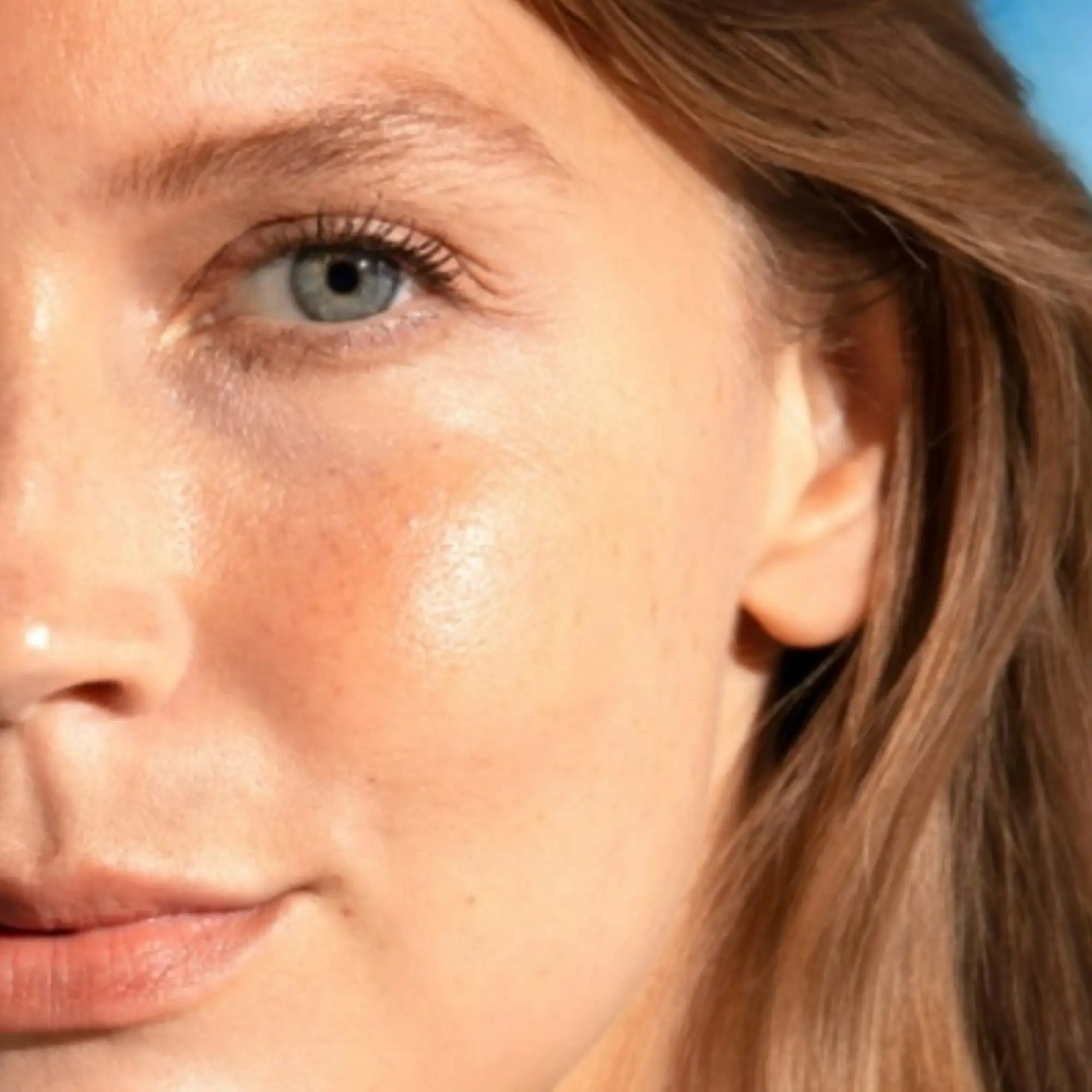
Moisturiser is beneficial to all skin types. It’s needed to ensure barrier health and to avoid dehydration. If you’re oily, you might think you don’t need or shouldn’t use moisturiser, but leaving it out may in fact cause even more oil production as your skin attempts to counteract the loss of moisture. Whatever your type, a good moisturiser is a must.
How to Choose the Best Moisturiser for Your Skin Type
We all desire a moisturiser that delivers flawless skin. But there are no one-size-fits-all solutions when it comes to skincare. Instead, you'll need to navigate various actives and formulations to find the face moisturiser that meets your needs.
To determine your skin type, try this: first, close your eyes and run your fingers across your bare face. You should be able to detect areas of dryness where the skin drags, oiliness around the nose or congestion at the hairline.
Alternatively, you can wait and see how your skin behaves thirty minutes after gentle cleansing. Tightness and flaking indicate dry skin, while shininess likely means your skin is oily. Combination skin is generally oily across the T-zone, with dry or normal skin on the cheeks. You can also try the blotting paper test, applying paper to various areas of the face to check the oil markings.
Ultimately, the best face moisturiser makes your skin feel nourished and comfortable. So, what’s the best moisturiser for my skin type? Here's what to look for:
The Best Moisturiser for Dry Skin
What is dry skin?
Dry skin produces less natural sebum than oily skin. As a result, your face may feel tight and dehydrated and look dull and flaky.
Actives and ingredients
If this sounds like your skin, it’s ready to drink in heavier formulations and hydrating ingredients like hyaluronic acid, amino acids and glycerin. It can also benefit from emollients such as jojoba oil and shea butter, which help reduce water loss. Dry skin needs both day and night creams for the ultimate balance of protection and repair.
Our pick
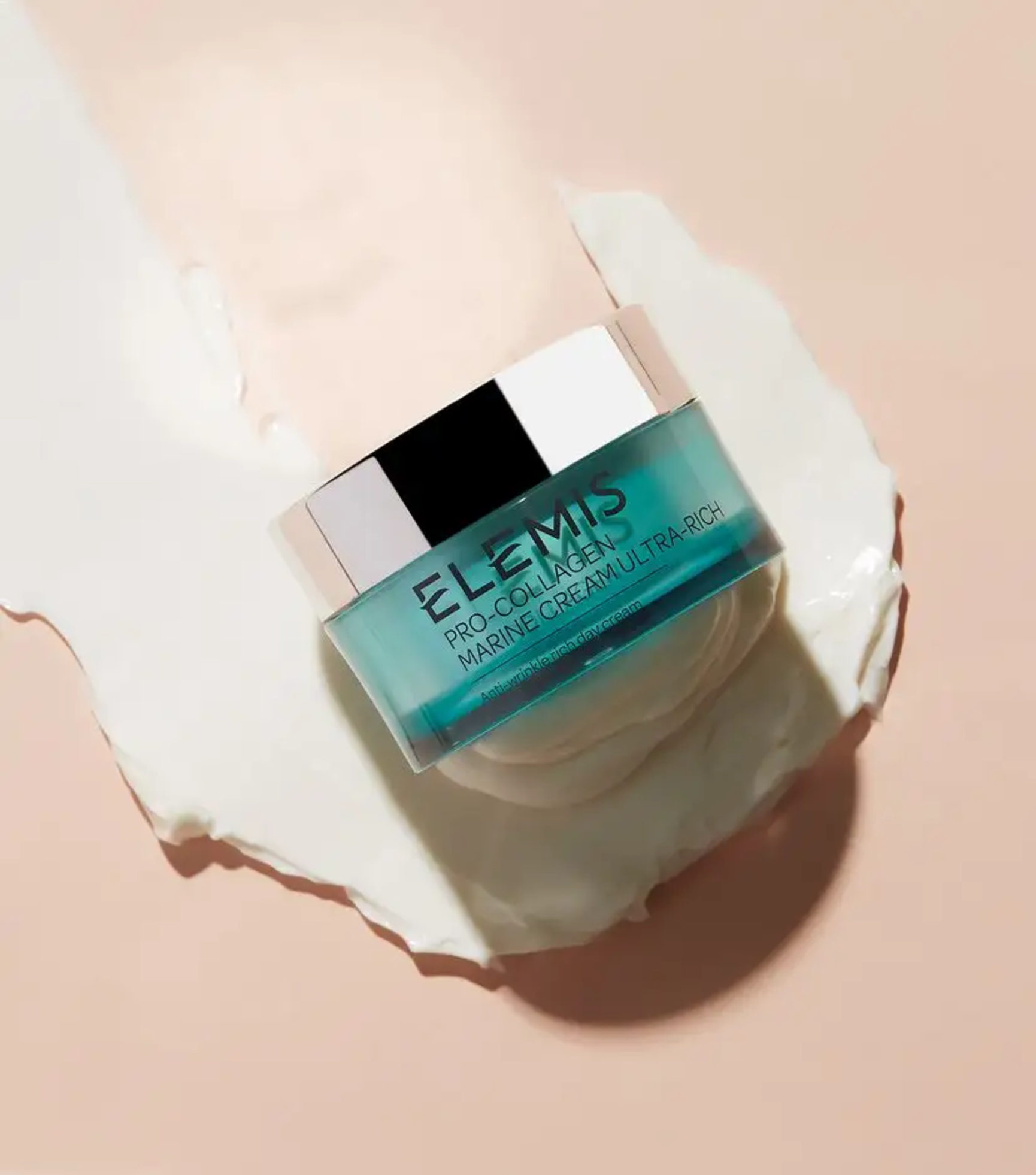
Rough, flaky skin will benefit from the combination of natural moisture-plumping actives and scientific formulation in the iconic Pro-Collagen range. Pro-Collagen Marine Cream Ultra-Rich is formulated for dry skin that needs intense hydration. Combining emollient cocoa butter and anti-ageing marine algae, it’s a power pick when your skin needs to feel instantly smooth and nourished.
The Best Moisturiser for Oily Skin
What is oily skin?
Oily skin produces more sebum than other skin types. And while that may result in fewer wrinkles, your skin can also be prone to breakouts and enlarged pores.
Actives and ingredients
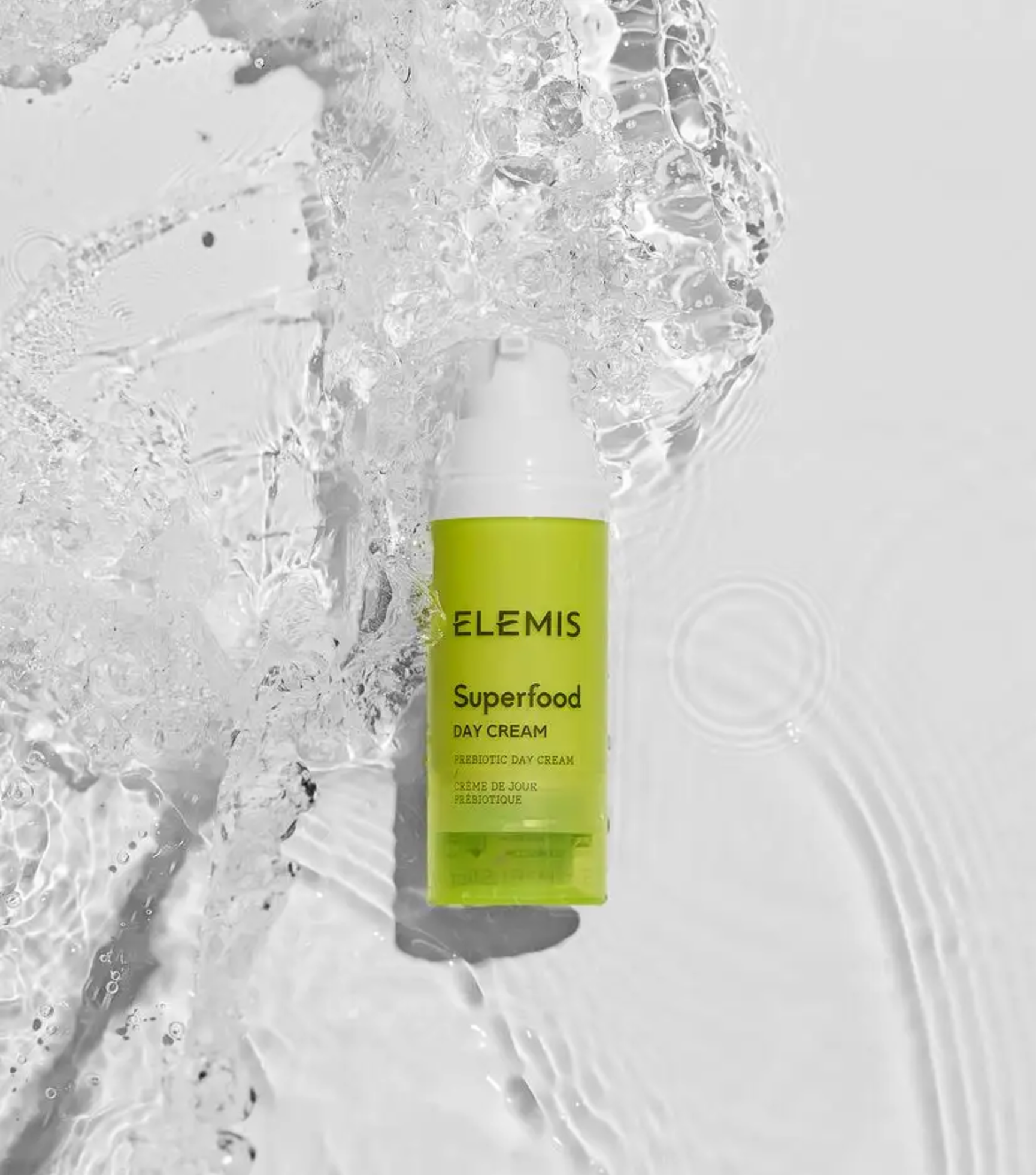
Don't assume that oily skin doesn't need moisturiser. Instead, avoid heavier formulations and choose products that deliver hydration and nourishment without clogging pores and triggering breakouts. Look for non-comedogenic and oil-free products that hydrate without feeling greasy. A lightweight moisturiser for oily skin is often best.
The Best Moisturiser for Combination Skin
What is combination skin?
Combination skin leads a double life. You may find you have oily patches (particularly along your T-zone) but also experience areas of dryness. Combination skin is particularly prone to environmental factors, including hormonal fluctuations, stress and changing weather, so experimentation is often needed to build a skincare routine that meets your changing needs.
Actives and ingredients
Balance is everything when it comes to combination skin, so your skincare routine should focus on effective cleansing and moisturising. Essentials to look out for include low levels of occlusives and higher levels of moisture-attracting humectants like hyaluronic acid and glycerin. You may also benefit from gentle exfoliating acids that help rebalance combination skin.
Our pick
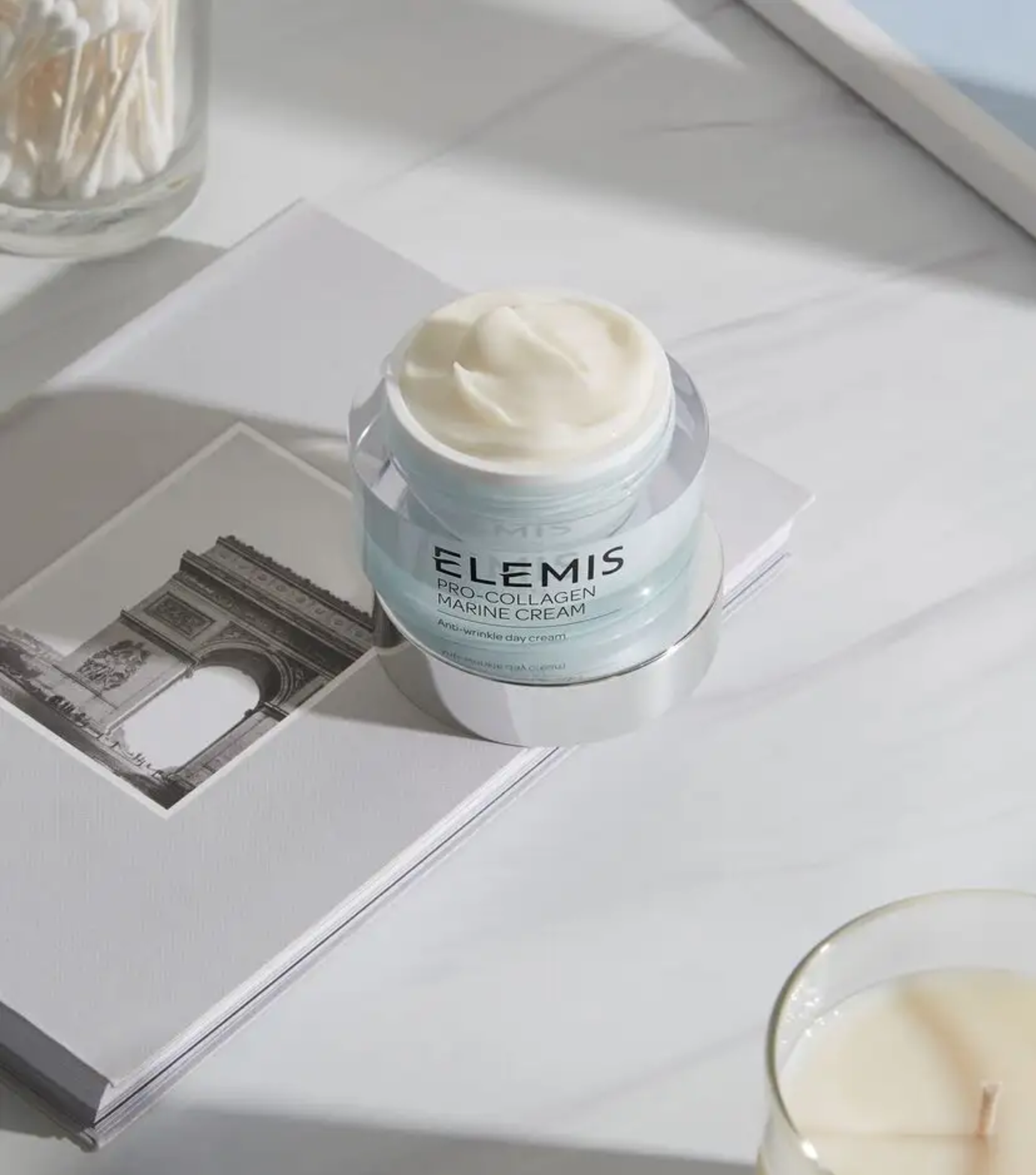
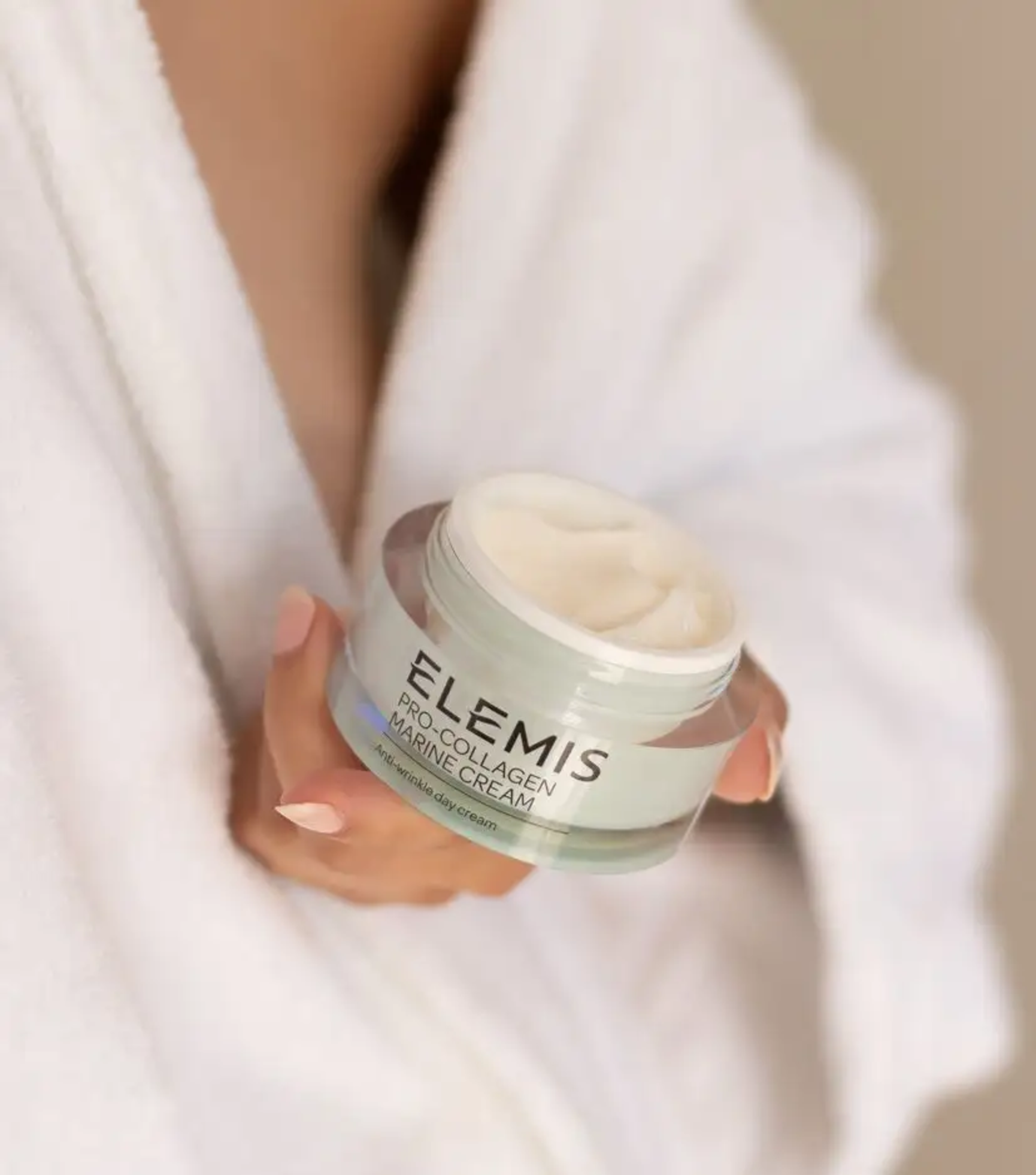
Formulated with powerful marine and plant actives including Padina Pavonica, Chlorella and Ginkgo Biloba, the advanced formula of our Pro-Collagen Marine Cream helps improve the look of firmness and elasticity. The result is skin that looks smooth, rejuvenated and better balanced.
The Best Moisturiser for Mature Skin
What is mature skin?
Our skin changes as we age, and so do our skincare needs. But defining mature skin can be tricky, as we all age differently. Skin typically starts to lose elasticity and becomes drier over time, often becoming more noticeable from our forties onwards. This is when many people switch their face moisturiser to address fine lines, wrinkles, dullness and hyperpigmentation.
Actives and ingredients
Retinoids, vitamin C, peptides, growth factors, hyaluronic acid and niacinamide are key ingredients that can positively support a mature skin routine. Bear in mind you should always pair your daily face moisturiser with a separate SPF, or choose an SPF moisturiser and reapply throughout the day.
Our pick
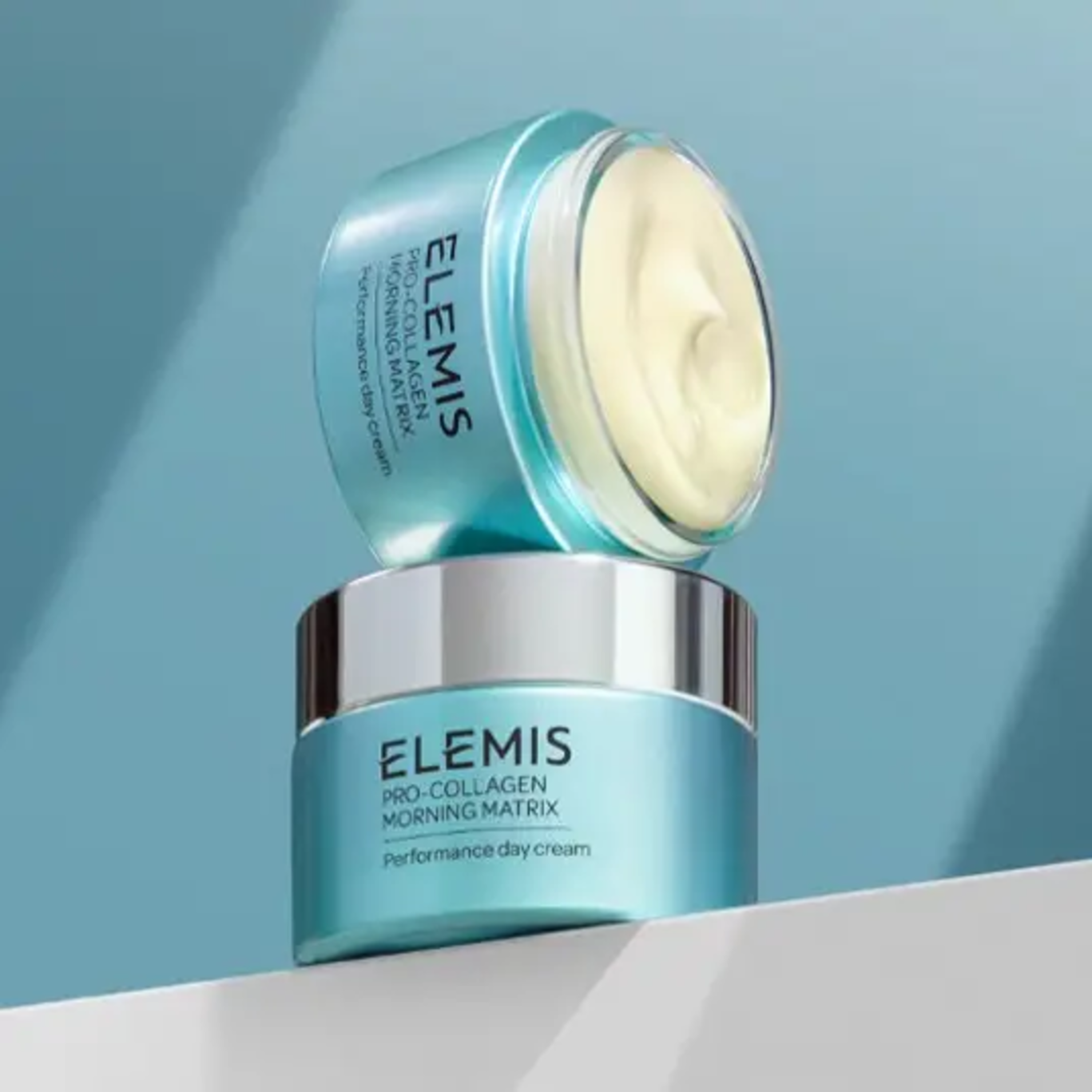
So, what is the best moisturiser for mature skin? We've chosen a suite of creams designed to target fine lines and hyperpigmentation while helping skin feel supple and resilient. Pro-Collagen Morning Matrix is a silicone-free formula combining marine-powered hydration with natural actives including anti-inflammatory turmeric and brightening Japanese Artemisia capillaris, which is rich in vitamin A.
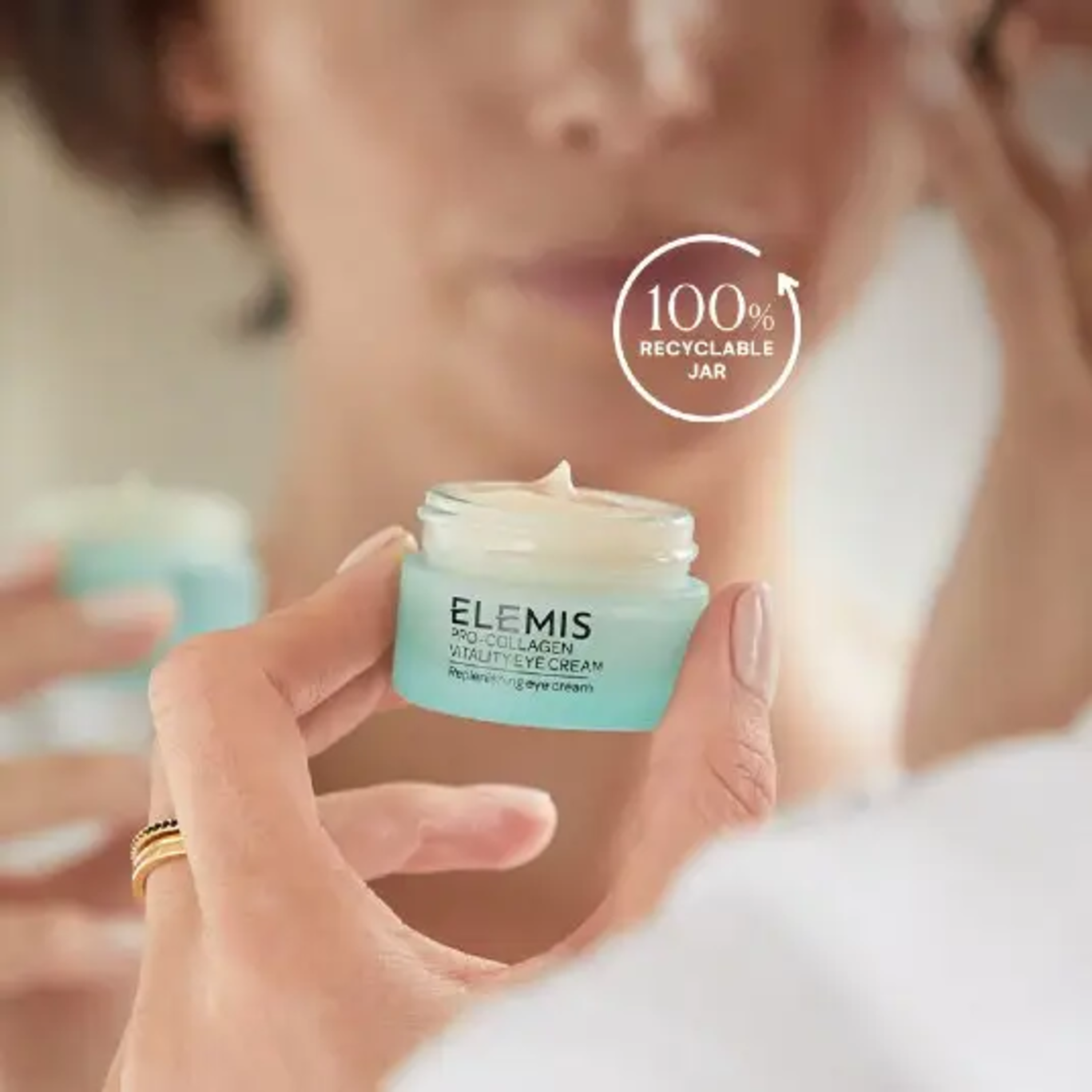
Pair with Pro-Collagen Vitality Eye Cream to comfort and brighten the delicate under-eye area, and ULTRA SMART Pro-Collagen Night Genius to help firm, strengthen and repair skin overnight.
Is Men’s Moisturiser Different?
So, what’s the difference between men’s moisturiser vs women’s moisturiser? There are apparent superficial differences, but mainly, these are texture and fragrance-led. When it comes down to ingredients and actives, they're more similar than you think. That's why we suggest treating by skin concern and recommend our products for crossover use for men and women.
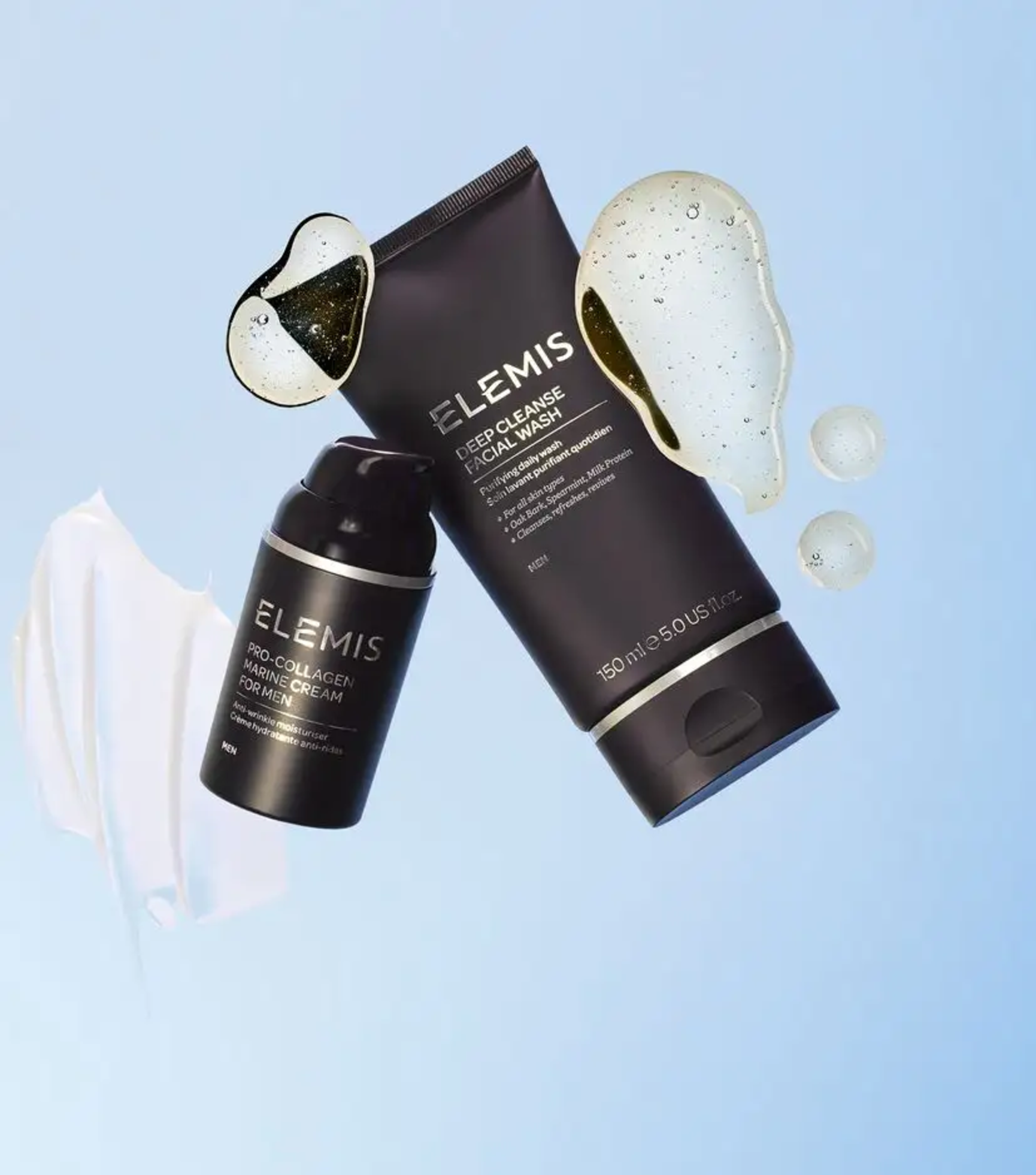
However, we do have a selection of moisturisers specifically designed for men. Our range of men’s grooming essentials riffs on the natural inspiration behind our revolutionary moisturisers, including our Pro-Collagen collection.
Tinted Moisturiser vs Face Cream: What’s the Difference?
Tinted moisturiser is a hybrid cosmetic product. It’s your go-to if you crave hydration with a hint of colour. It's a do-it-all product that creates a veil of sheer colour across your skin. It's a perfect choice when foundation feels too heavy, delivering a pulled-together look with all the benefits of skincare actives.
Your tinted moisturiser is designed to match your skin tone, locking in moisture while blurring imperfections. It's ideal for summer when you need lightweight coverage and a ‘your skin but better’ finish. Look for a tinted moisturiser with SPF to help protect your skin from UV damage.
Tinted moisturiser is best applied with your fingers at the end of your morning skincare routine. Its lighter formulation works well over your day cream for deeply hydrated and even-toned skin. However, remember that a tinted moisturiser is not a substitute for targeted treatment creams.
Does Your Moisturiser Need SPF?
There’s a difference between moisturiser and sunscreen. These are separate products that deliver different outcomes for your skin. Sun Protection Factor (SPF) is not a skincare active. Instead, it forms a protective shield against harmful and ageing UV radiation. Sun damage is a significant risk factor for our skin, so using SPF year-round is essential.
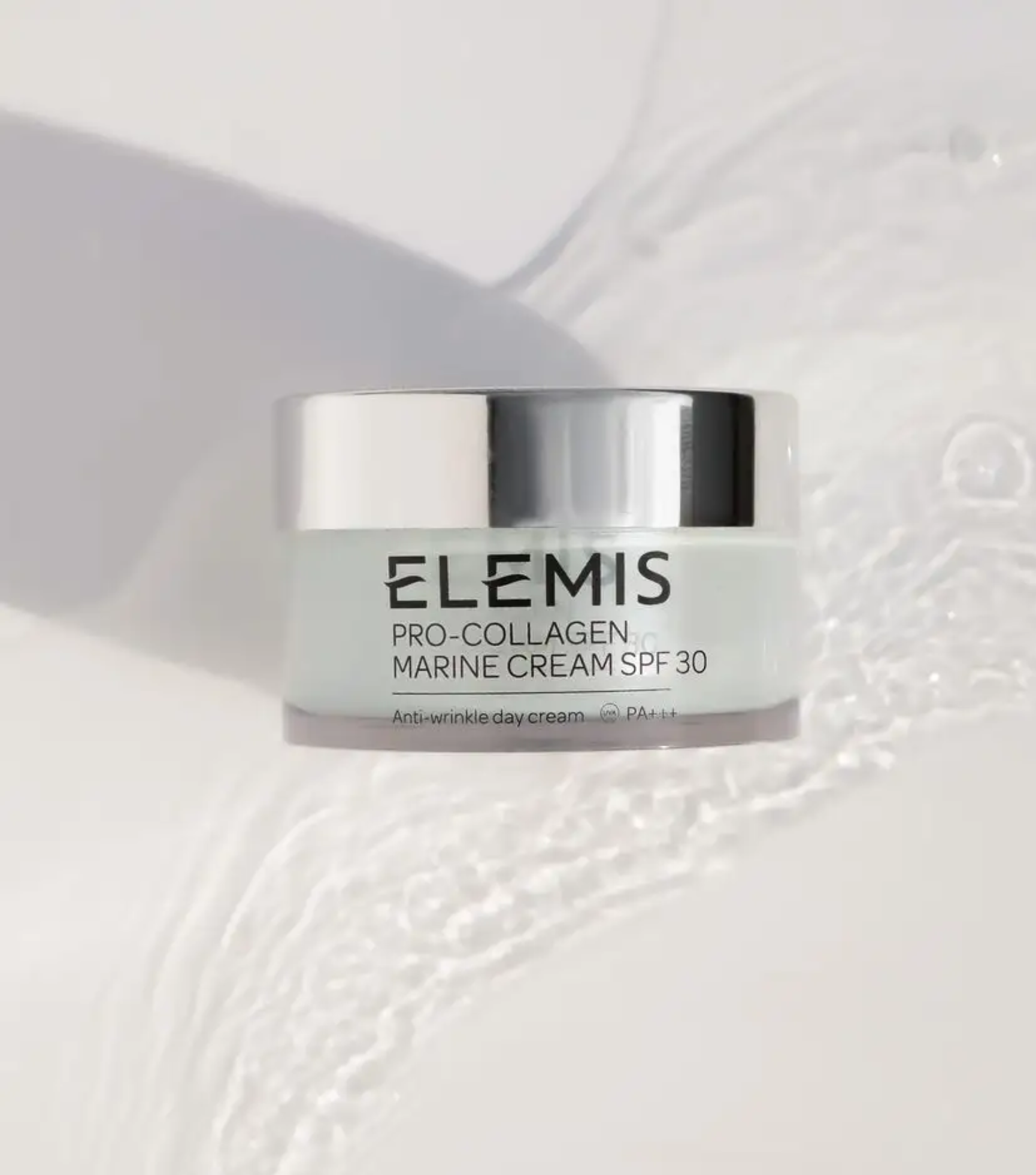
Not all moisturisers contain SPF, and you may choose to apply sunscreen on top of your moisturiser. However, if you're a skincare minimalist, you might prefer a do-it-all cream with anti-ageing technology and SPF. In this case, Pro-Collagen Marine Cream SPF 30 delivers broad-spectrum protection alongside an iconic anti-ageing formulation.
Night creams are formulated without SPF, as are most treatment moisturisers targeting specific concerns. Although you may prefer a minimalist skincare approach, we always recommend using a separate night cream without SPF. Likewise, if you've found your ideal moisturiser and it's SPF-free, consider adding a lightweight sunscreen for essential daily protection.
SPF should be the final step in your morning routine, whether built into your moisturiser or applied separately.
When to Apply Moisturiser in Your Skincare Routine
Here’s when to apply moisturiser: after serums and before SPF.
For consistent results, moisturise twice daily, in the morning and evening. Applying your product to a damp face to lock in as much water as possible is best, so spritz your skin gently if you've already used a cleanser and serum.
If you prefer a cream formulation, gently tap your moisturiser into your face rather than rubbing it into the skin. If you're a gel or water-based moisturiser user, apply in a circular motion until the product is absorbed. Next, apply moisturiser to your neck with smooth, upwards strokes and rub any excess product into your hands for a skincare bonus.
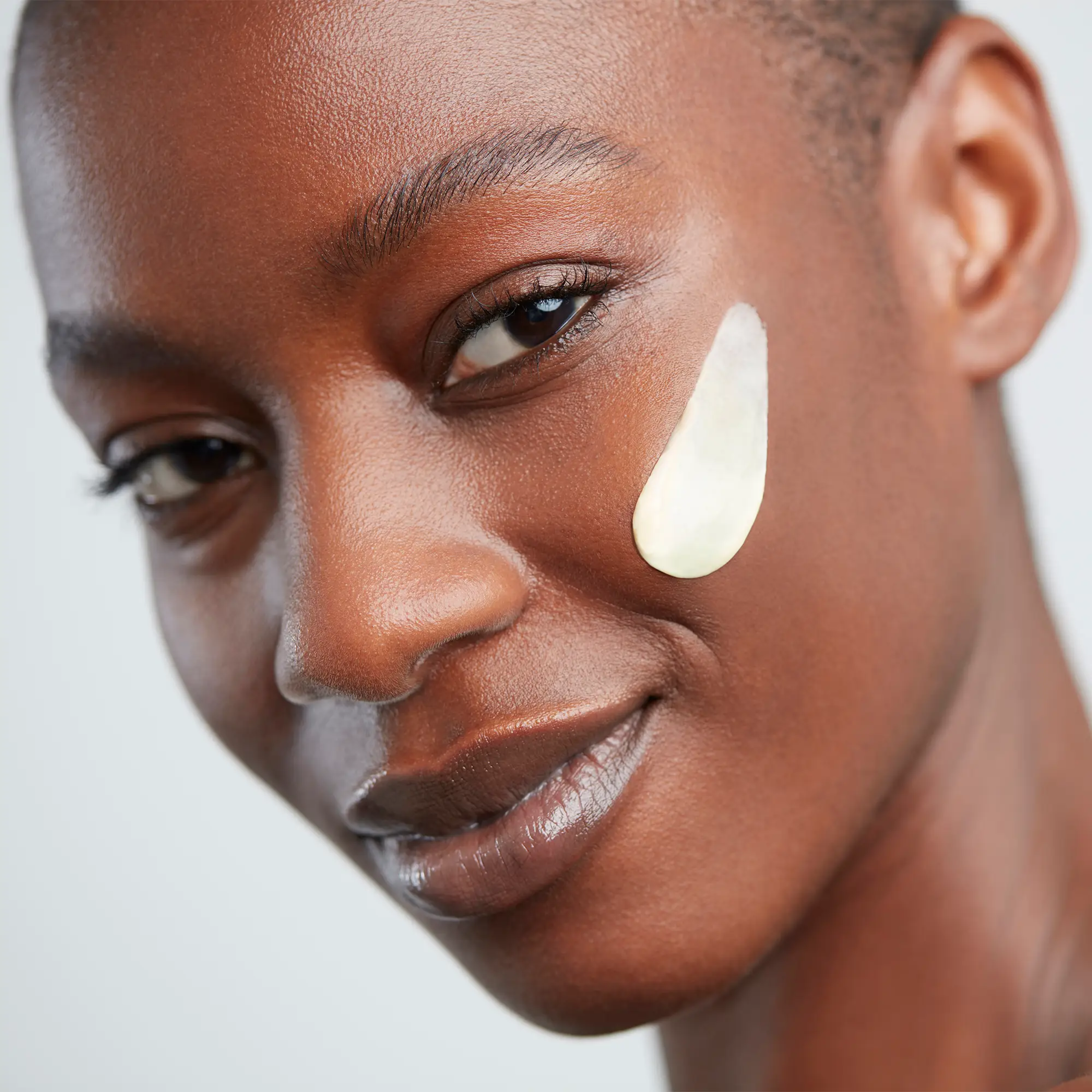
Morning Moisturising Routine
In the morning, moisturiser should be applied last after serums, and then SPF.
AM Skincare Routine:
- Cleanse
- Tone or essence
- Serum
- Moisturiser (lightweight daytime)
- SPF
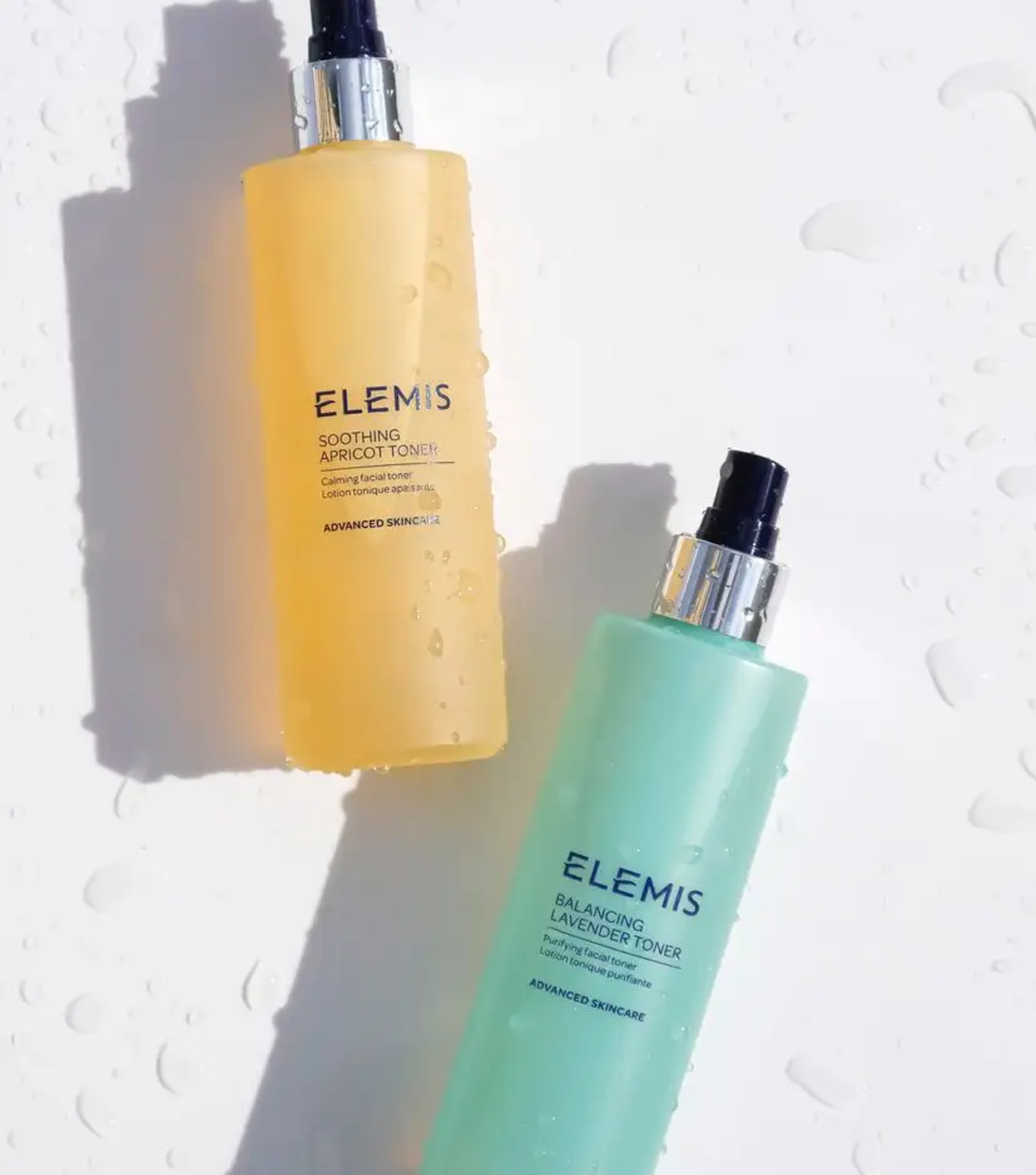
Evening Moisturising Routine
Apply moisturiser after treatment serums at night and then apply facial oil to enhance comfort and lock in even more hydration.
Here’s your PM moisturising routine:
- Cleanse
- Treatment serum
- Night moisturiser (heavier texture)
- Optional facial oil

How Much Moisturiser Should You Use?
Many people aren’t sure how much moisturiser to use. You should use a generous amount — but not excessive. Use a pea-sized to 10p-sized amount of moisturiser. Warm the moisturiser between your fingers before applying. After use, your skin should feel comfortably hydrated rather than oily, so blot away any excess product.
It's important to remember that moisturisers are highly concentrated formulations. Applying too much product can be wasteful and won't improve skin texture.
If your skin is oily, avoid rich formulations that can be problematic. Instead, look for oil-free face moisturisers that deliver the right concentration of actives and hydration for your skin.
Would your dry skin benefit from extra moisture? We recommend adding a hydrating mask to your skincare routine. If you prefer to streamline your skincare, apply a second, thick layer of your nighttime moisturiser and leave for 15 minutes before gently removing excess product.
How Often Should You Moisturise?
For most skin types, twice daily (morning and evening) is generally ideal. Don’t overcleanse, as this could make your skin drier. Consistency, not excess, is what delivers long-term results. So keep your cleansing routine going AM and PM, and you’ll soon see your skin glowing back at you.
Key Takeaways: Finding Your Perfect Moisturiser
All in all, finding your perfect moisturiser comes down to the following things:
- Matching texture to skin type (lightweight for oily, thicker for dry skin)
- Supporting your skin barrier
- Building a consistent, twice-daily hydration routine
- Layering in the right order (cleanser → toner or essence → serum → moisturiser → oil (PM) or SPF (AM)
At Elemis, our skincare is defined by nature and led by science for moisturisers with a potent blend of ingredients designed to deliver the skin you crave. Whatever your skincare needs, we create “your skin but better” formulas that hydrate, nourish and balance. Shop your perfect moisturiser online today.