How to Layer Products in Your Skincare Routine
2025-09-26
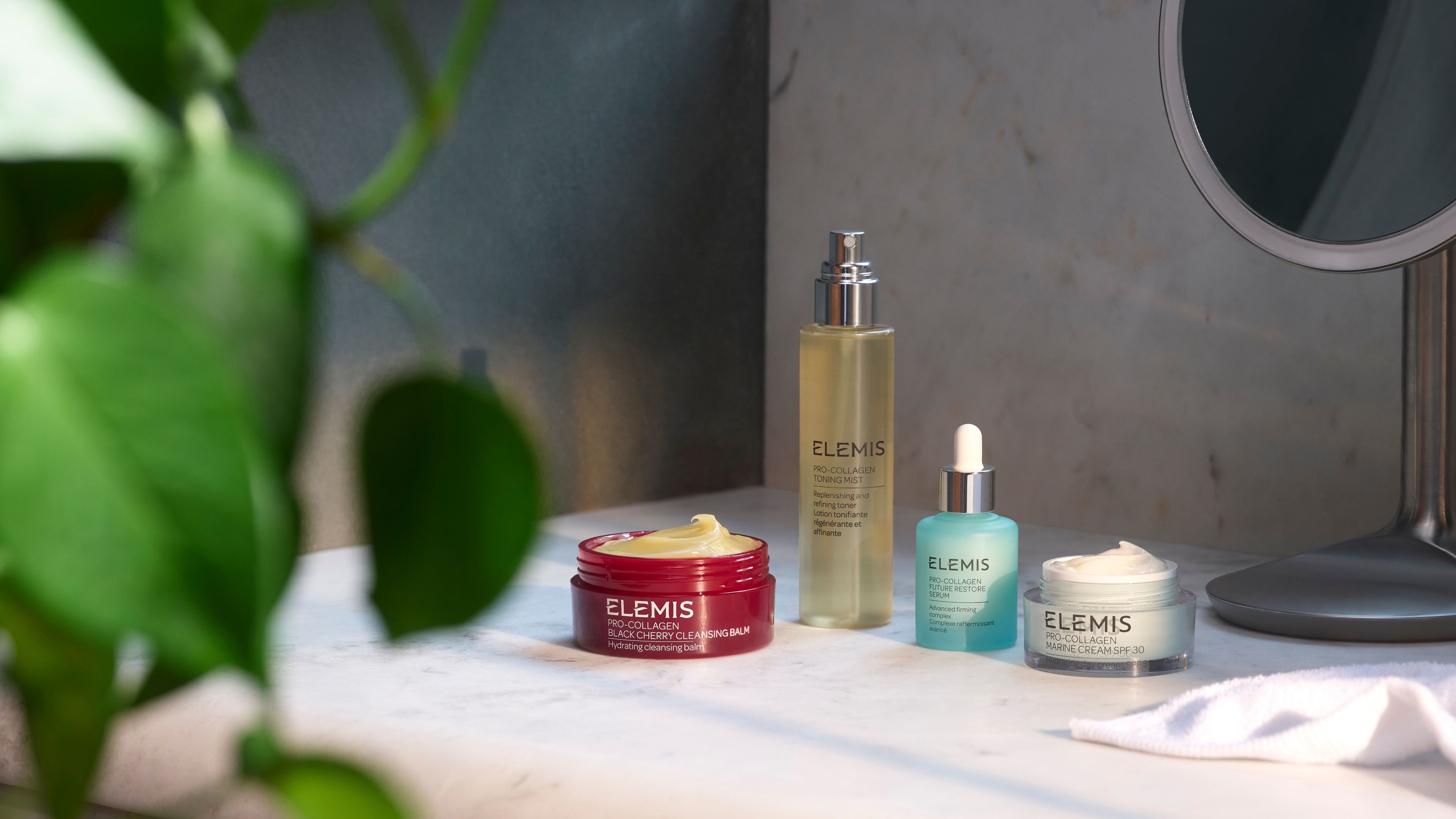
If you've ever wondered how to correctly layer skincare products, here's the simple rule to follow: layer your products from the lightest texture to the richest. That's the skincare layering order that helps each formula to absorb correctly, and to perform optimally. But with anything like this, there’s always the nuance to consider. For instance, what about lightweight oils and thick creams? Where do face masks fit in? And how often should you be exfoliating? Pencils at the ready – skincare school is in session.
Why the Order of Your Skincare Products Matters
By starting with your most easily absorbed products and building up to the densest, you ensure a clear pathway for every active ingredient to sink deep into where the skin needs it most. Many ELEMIS products are packed with powerful actives alongside cutting-edge technology, but the secret to optimum efficacy is sticking to your routine and applying everything in the right order.
Lightweight and water-based formulas penetrate more easily, whereas rich creams and oils seal and protect. If you're applying a thick moisturiser before a serum, you're essentially putting a blanket over your skin before your active ingredients have an opportunity to do their work.
The correct order supports:
- Absorption: thinner formulas can work their way into the deeper layers of your skin
- Ingredient compatibility: no unnecessary irritation from layering on too many strong actives
- Barrier health: sealing hydration at the right stage
The Correct Order for Layering Skincare Products
We spoke with ELEMIS Brand Ambassador, Keeley Aydin, a Skincare and Wellness Expert, for her advice on the correct order to apply your skincare. We're not suggesting you need to use every step in your routine – this is simply to illustrate the rule of moving from the lightest to the thickest textures (unless otherwise specified).
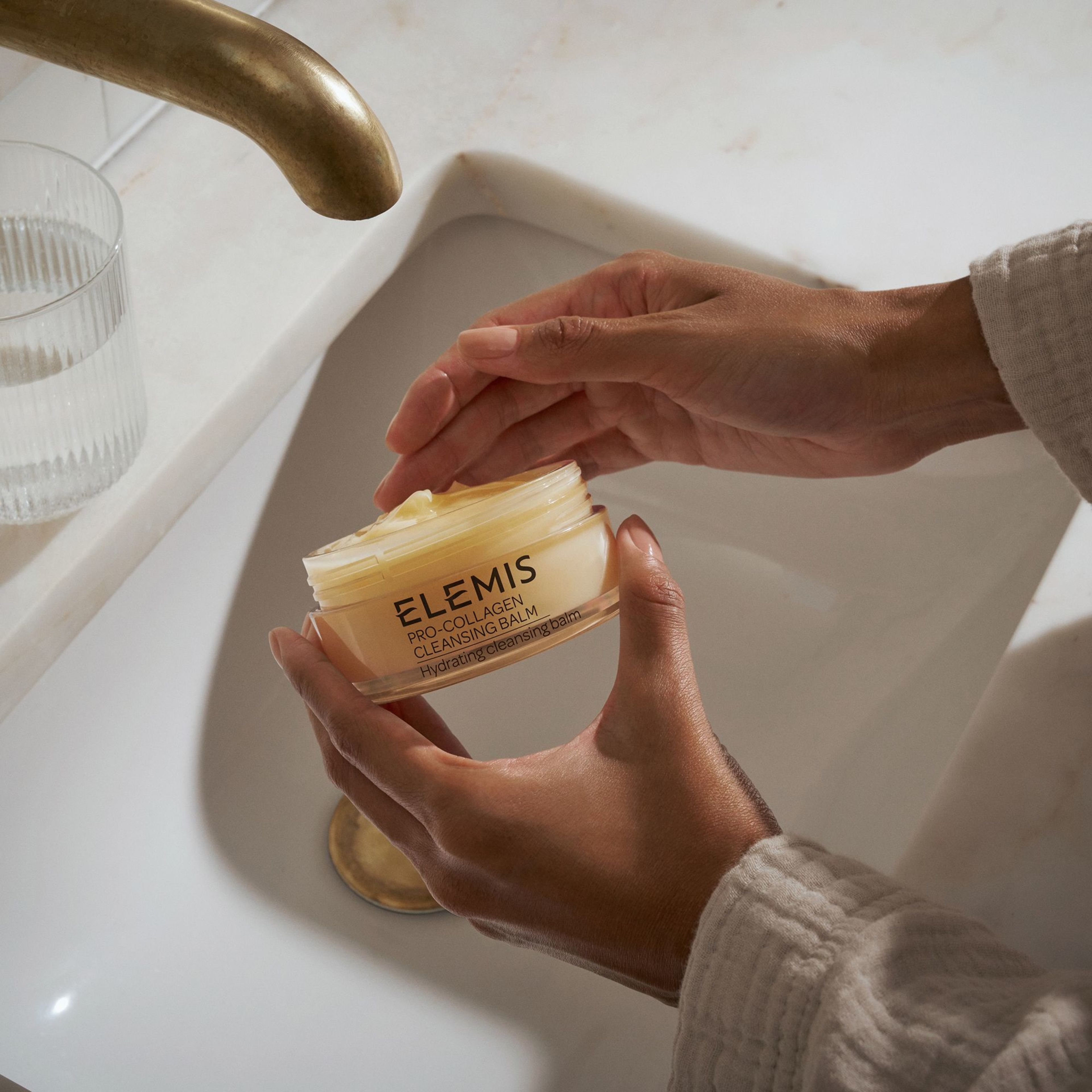
1. First Cleanse (always with Pro-Collagen Cleansing Balm!)
What it's for: Removing waterproof makeup, SPF and daily grime.
Keeley's tip:
"Oil-based products like makeup and SPF can leave excess oil on the skin and create a barrier. An oil-based cleansing balm removes the residue thoroughly to allow every product you apply afterwards to perform at its very best.”
2. Second Cleanse
What it's for: Cleansing skin for your specific concerns.
Keeley's tip:
“Rather than spending its time dissolving makeup and sunscreen, your second cleanser is there for its active ingredients to do what they’re designed to do. And remember, a squeaky-clean feeling isn’t always a good thing – it can mean you’ve stripped your skin barrier.”
3. Exfoliator (weekly)
What it's for: Renewing and smoothing skin to absorb the products that follow. Use 1-3 times per week.
Keeley's tip:
“The outermost layer of the skin (the stratum corneum) contains around 15–30 layers of dead skin cells. You can have the most expensive serum in the world, but if it’s sitting on that build-up, you’re not getting the very best from it. Exfoliate first, then layer your skincare.”
4. Face Mask (weekly)
What it's for: Delivering targeted skincare benefits. Use 1-2 times per week.
Keeley's tip:
“Face masks contain a higher concentration of beneficial ingredients than many daily skincare products, which is why they’re designed to be used as a treatment rather than every day. One of my favourite spa secrets is to apply a hydrating or nourishing face mask straight after gentle exfoliation. Freshly exfoliated skin is perfectly prepped, helping you get the very best from every ingredient.”
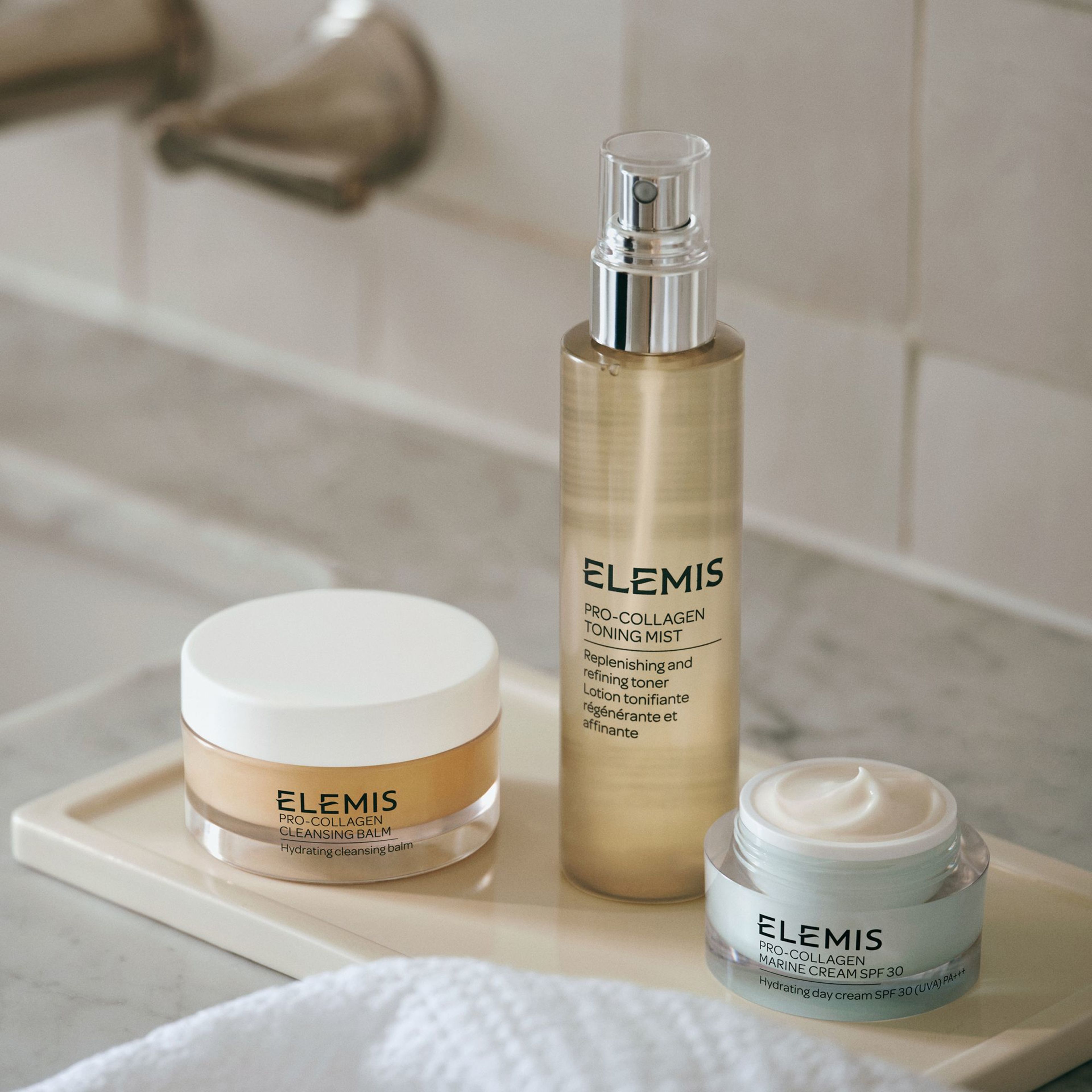
5. Toner
What it's for: Balancing and refreshing skin.
Keeley's tip:
“Your skin naturally has a slightly acidic pH of around 4.7–5.5. A well-formulated toner helps support this healthy environment, while delivering an extra layer of hydration and skin-loving ingredients. But don’t wait for your toner to dry completely. Your serums and moisturiser work best when applied to slightly damp skin, helping to lock in hydration and leave it feeling plump and comfortable.”
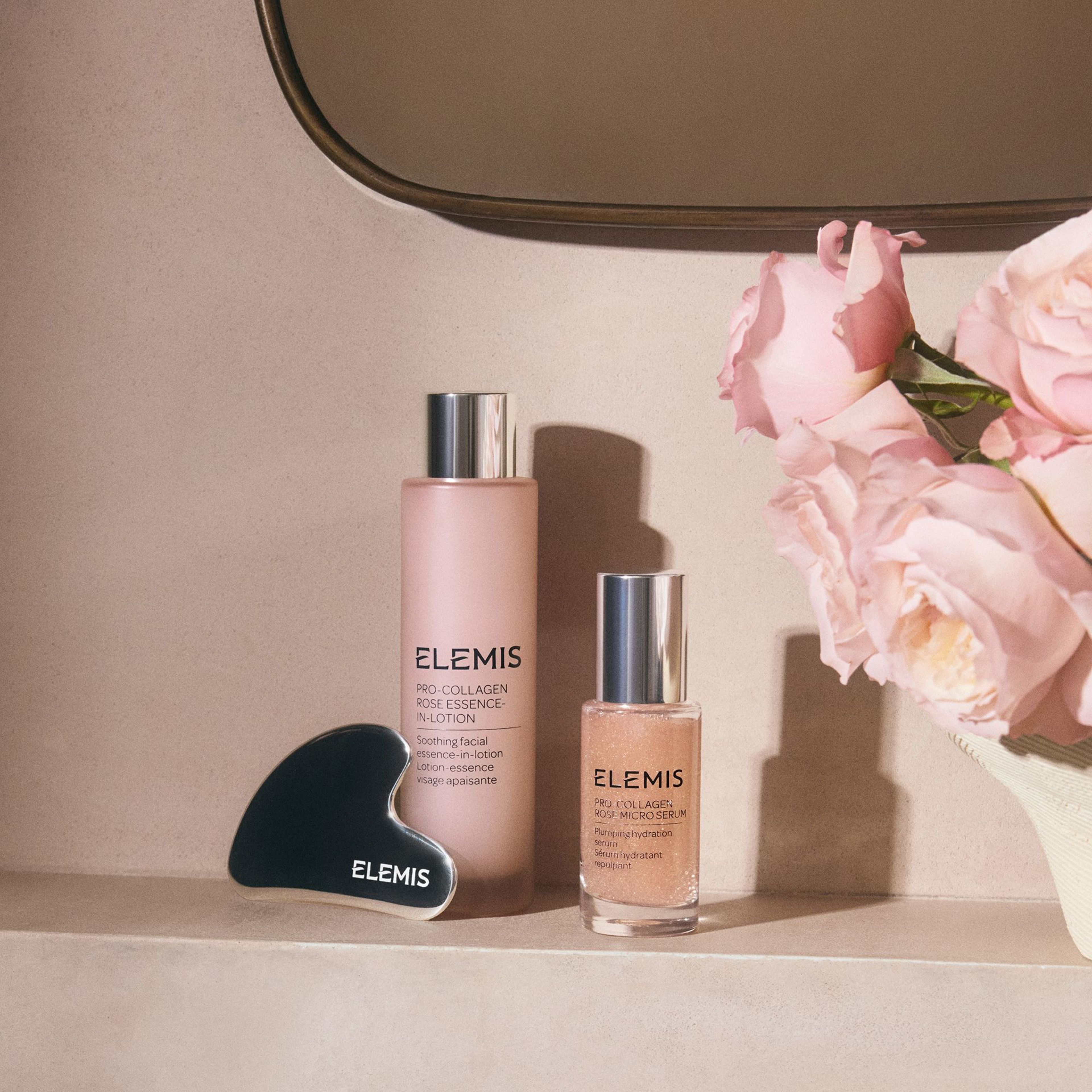
6. Essence
What it's for: Hydrating and prepping skin.
Keeley's tip:
“An essence is a weightless layer that sits between your toner and serum, delivering a concentrated burst of hydration and helping support a healthy skin barrier. Think of an essence like a primer for your other skincare preparing the skin so you get quicker, better results.”
7. Serum
What it's for: Targeting specific skin concerns with active ingredients.
Keeley's tip:
“Every serum has a job to do – whether it’s hydrating, brightening, calming or firming. Choosing the right serum for your skin concern is more important than simply using the most expensive one. Serums contain some of the highest concentrations of active ingredients in your routine, which is why they should be applied before the richer textures that lock everything into the skin. My top tip? Don’t use more than you need. A few drops are usually enough - it’s the quality of the ingredients, not the quantity, that makes the difference. If it’s a water-based serum, then it needs to be applied before an oil-based serum or facial oil.”
8. Eye Serum or Eye Cream
What it's for: Caring for the delicate eye area.
Keeley's tip:
“The skin around your eyes is the thinnest on your face and has fewer oil glands, making it more prone to dehydration and the appearance of fine lines. An eye treatment isn’t just for under the eyes – apply it around the entire orbital bone (following the product directions), using your ring finger and a gentle tapping motion – never rub or drag this delicate area. You can even use around it the mouth area, too, as it’s a similar muscular structure.”
9. Facial Oil
What it's for: Nourishing skin and sealing in hydration.
Keeley's tip:
“Your skin barrier is made up of natural lipids (fats). Facial oils help replenish these lipids, supporting a stronger, healthier-looking skin barrier and reducing moisture loss. Just 2-3 drops are usually enough. Warm the oil between your hands and gently press it into the skin rather than rubbing for a beautiful, healthy-looking glow. Remember, not all facial oils are heavy. Many modern botanical oils are lightweight, fast-absorbing and suitable for all skin types - even oily skin.”
10. Moisturiser
What it's for: Hydrating skin and locking in benefits.
Keeley's tip:
“Think of your moisturiser as the final seal. It helps lock in the benefits of your toner, essence, serum and facial oil, so all your hard work stays where it’s needed. Choose a moisturiser for your skin’s needs, not just your skin type. Your skin can change with the seasons, hormones, travel and even stress.”
11. Sunscreen (AM Only)
What it's for: Protecting against UV damage.
Keeley's tip:
“SPF isn’t just for sunny holidays and preventing sunburn. UVA rays are present all year round, can penetrate clouds and glass and contribute to ageing (as well as cancer). SPF should always be the final step of your morning skincare routine. Applying it last ensures it forms an even protective shield over everything you’ve already applied, and be sure to get a broad-spectrum product that protects from both types of UV, like Pro-Collagen Skin Protection Fluid SPF 50.
How Long Should You Wait Between Skincare Layers?
In most cases, 30-60 seconds between layers is sufficient (just enough time for each product to settle). Stronger actives (like retinol or exfoliating acids) may benefit from a short break before applying moisturiser, especially if you have sensitive skin. But don't overcomplicate it. If it's absorbed, you're good to go on to the next step.
Your Skincare Layering Checklist
- Serums before oils and thick creams
- Go light on the strong actives
- Exfoliate 1-2 times per week
- Wear SPF everyday
- Rub products in gently
- Consistency is key for a results-driven routine
Keeley’s final takeaway: “After more than 30 years as a therapist, one thing I’ve learnt is that beautiful skin doesn’t happen by chance. It comes from simple, consistent habits - using the right products, in the right order, every single day.”